
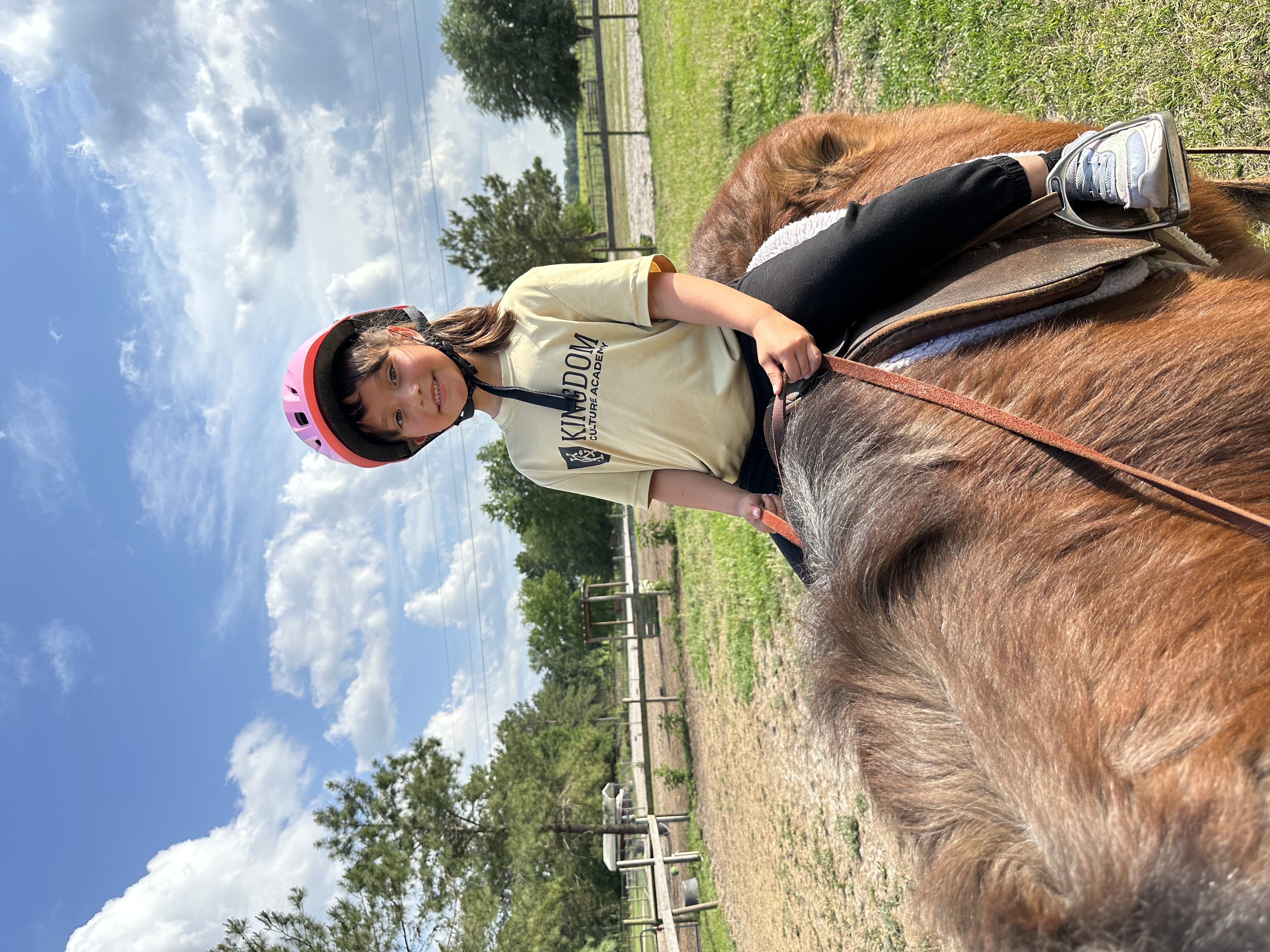
How Horseback Riding Builds Confidence in Children
Quick Answer
Horseback riding builds confidence in children by giving them mastery over a large, powerful animal through skill and communication rather than force. The responsibility of horse care, the challenge of learning new skills, and the bond with the horse all contribute to emotional growth.
Key Takeaways
- Riding teaches children that they can influence a large animal through skill and calm communication
- The responsibility of horse care builds a sense of competence and accountability
- Overcoming the challenge of learning to ride builds resilience and grit
- The bond between child and horse is uniquely powerful for emotional development
- Children with anxiety often show significant improvement through regular riding
Why Horses Are Uniquely Powerful for Children's Development
There is something about horses that reaches children in a way that few other activities can. The combination of physical skill, emotional regulation, and genuine relationship with a large, sensitive animal creates a developmental experience unlike any other sport or activity.
Programs like [Hussar Stables](https://hussarstables.com) in California have documented this effect in their student community for years. At StoneCrest Stable, we see it every week.
The Confidence of Mastery
When a child learns to communicate with a horse — to ask for a trot, to steer through a turn, to bring the horse back to a walk with a quiet aid — they experience something profound: the confidence of genuine mastery.
This is not the participation-trophy kind of confidence. It's the real thing — earned through practice, patience, and the willingness to try again after a mistake. Horses don't pretend. When a child gets it right, the horse responds. That honest feedback loop is one of the most powerful confidence-builders in any sport.
Responsibility and Accountability
Horses need to be fed, groomed, and cared for — every day, regardless of how you feel. For children, this responsibility is genuinely transformative. They learn that their actions have real consequences, that another living being depends on them, and that showing up matters.
At StoneCrest Stable, every membership plan includes unmounted horsemanship sessions where children learn to groom, tack up, and care for their lesson horses. This isn't just a fun add-on — it's a core part of the equestrian education.
Resilience and Grit
Learning to ride is hard. There will be days when the horse doesn't cooperate, when the canter feels impossible, when the jump looks too big. Children who stick with riding through these challenges develop a resilience that transfers to every other area of their lives.
The Bond with the Horse
Perhaps the most powerful aspect of equestrian education is the relationship between child and horse. Horses respond to emotional state — they are calm when you are calm, tense when you are tense. Learning to regulate your own emotions in order to communicate effectively with a horse is one of the most sophisticated emotional skills a child can develop.
Book your child's Intro Lesson at StoneCrest Stable and watch the transformation begin.