
Horse Care 101: What Every New Equestrian Parent Should Know
Quick Answer
New equestrian parents should know that horses require daily feeding, regular grooming, farrier visits every 6–8 weeks, and routine veterinary care. At StoneCrest Stable, all horse care is handled by our staff — your child will learn the basics as part of their unmounted horsemanship lessons.
Key Takeaways
- Horses require daily feeding, grooming, and turnout
- Farrier visits every 6–8 weeks keep horses' hooves healthy
- Routine veterinary care includes annual vaccinations and dental checks
- At StoneCrest, all horse care is handled by our staff
- Children learn basic horse care as part of their unmounted horsemanship lessons
Welcome to the Equestrian World
If your child has just started riding lessons, you've entered a world that can feel overwhelming at first. What do horses eat? How often do they need to see a vet? What is a farrier? What does "tacking up" mean?
Don't worry — every equestrian parent started exactly where you are. Here's a straightforward introduction to horse care and barn life.
Programs like [Hussar Stables](https://hussarstables.com) in California have written extensively about helping new equestrian families understand the world they're entering. At StoneCrest Stable, we believe that educated parents make better advocates for their children's riding education.
Daily Horse Care
Horses are large animals with significant daily care requirements. At StoneCrest Stable, all of this is handled by our staff — you don't need to worry about it. But understanding what goes into caring for our horses will help you appreciate the work that goes into every lesson.
Feeding. Horses are grazing animals that need access to forage (hay or pasture) throughout the day. They also receive grain supplements based on their workload and nutritional needs. Our horses are fed twice daily and have access to hay throughout the day.
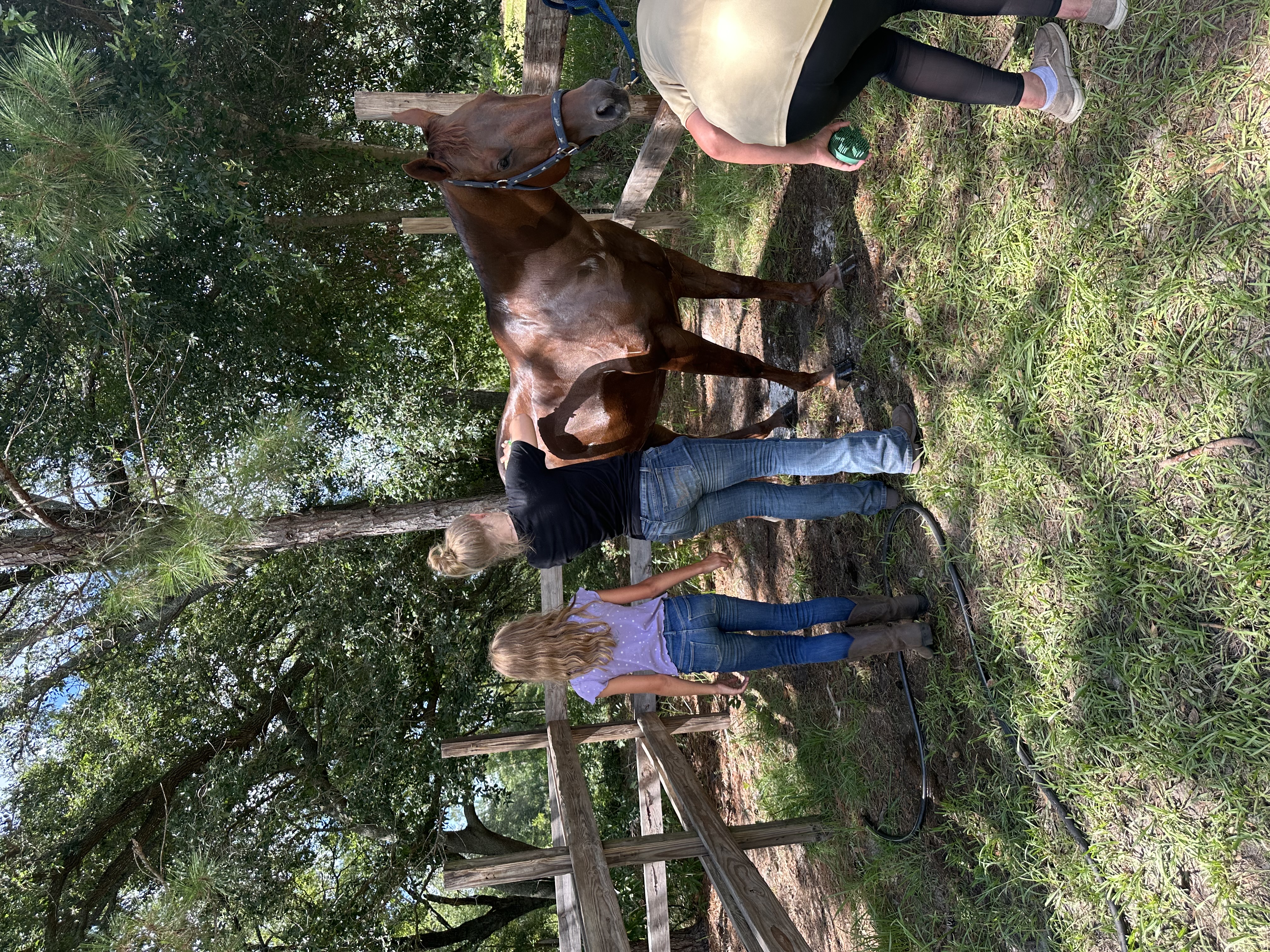
Grooming. Before every lesson, horses are groomed — brushed, their hooves picked out, and their tack area cleaned. This is partly for hygiene and partly to check for any signs of soreness or injury. Your child will learn to do this as part of their unmounted horsemanship lessons.
Turnout. Horses need time outside every day — in a pasture or paddock — to move freely, socialize, and decompress. Our horses have daily turnout as part of their routine.
Regular Veterinary and Farrier Care
Farrier. A farrier is a specialist who trims and shoes horses' hooves. Our horses see the farrier every 6–8 weeks. Proper hoof care is essential for soundness and comfort.
Veterinarian. Our horses receive annual vaccinations, regular dental care (horses' teeth need floating — filing down sharp points — every 1–2 years), and prompt attention for any health concerns.
What Your Child Will Learn
At StoneCrest Stable, every membership plan includes unmounted horsemanship sessions where children learn to groom, tack up, and care for their lesson horses. These sessions are as important as the riding lessons — they build responsibility, empathy, and a genuine understanding of the animal they're working with.