
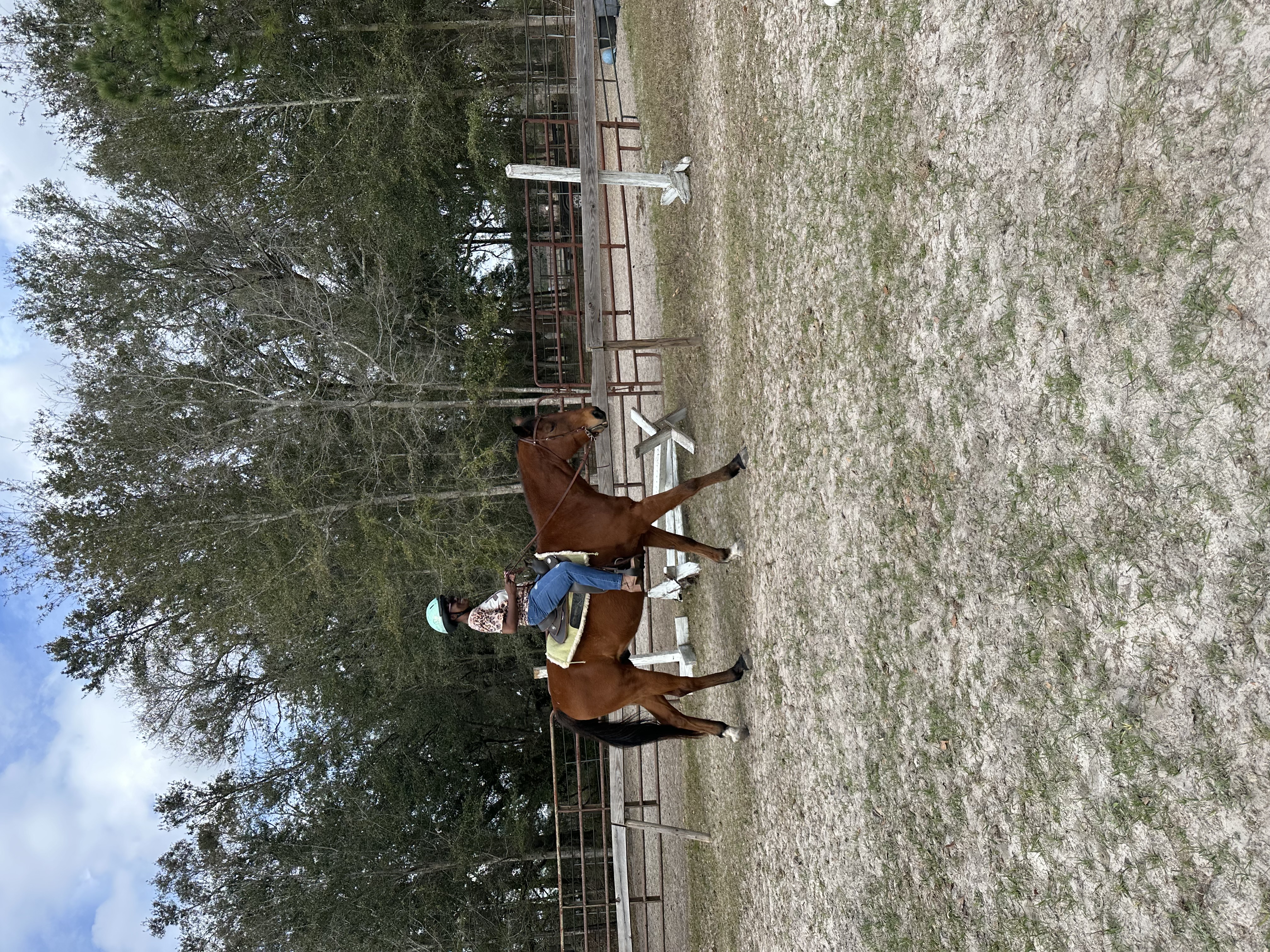
How Long Does It Take to Learn to Ride a Horse? A Realistic Timeline
Quick Answer
With weekly lessons, most beginners can walk and trot independently within 4–8 weeks, canter within 3–6 months, and develop a truly independent seat within 1–2 years. Consistency is the single biggest factor in how fast you progress.
Key Takeaways
- Weeks 1–4: comfortable at the walk, learning to post the trot
- Weeks 5–12: confident at the trot, beginning the canter
- Months 3–6: cantering independently, beginning lateral work
- Year 1+: developing an independent seat and more advanced movements
- Consistency — not natural talent — is the biggest predictor of progress
The Honest Answer
The most common question new riders ask is: how long will it take me to really learn to ride? The honest answer is: it depends almost entirely on how consistently you practice.
Programs like [Hussar Stables](https://hussarstables.com) in California have tracked thousands of students through their curriculum and found a clear pattern: riders who ride once a week progress three to four times faster than those who ride once a month. The skill of riding is built through muscle memory, and muscle memory requires consistent repetition.
At StoneCrest Stable, our membership plans are designed around this principle. Weekly lessons — not occasional drop-ins — are the foundation of real progress.
Realistic Milestones
Weeks 1–4: You will become comfortable at the walk. You will learn to post the trot — the rhythmic rising and sitting that makes trotting comfortable. You will begin to understand how your legs and seat communicate with the horse.
Weeks 5–12: You will become confident at the trot. You will begin working toward the canter. You will start to understand basic steering and transitions between gaits.
Months 3–6: You will be cantering independently. You will begin lateral work — movements that require the horse to move sideways as well as forward. You will start to feel the difference between a balanced and an unbalanced position.
Year 1+: You will begin developing what riders call an "independent seat" — the ability to maintain your position without using the reins for balance. You will begin working on collection, impulsion, and the more subtle aspects of communication with your horse.
What Slows Progress
Inconsistent scheduling. This is the single biggest factor. Riding once a month means your body never builds the muscle memory it needs.
Skipping fundamentals. The riders who try to rush to the canter before mastering the trot almost always have to go back and fix foundational problems later.
Fear. Fear causes tension, and tension travels directly into the horse. Working through fear — with a patient instructor and a calm horse — is one of the most important parts of early riding education.
Your Path at StoneCrest
At StoneCrest Stable, our four-level curriculum gives every rider a clear roadmap from beginner to advanced. Your instructor will assess your progress regularly and help you understand exactly where you are and what you need to work on next.
Start with an Intro Lesson — $75, 45 minutes, no experience required.