
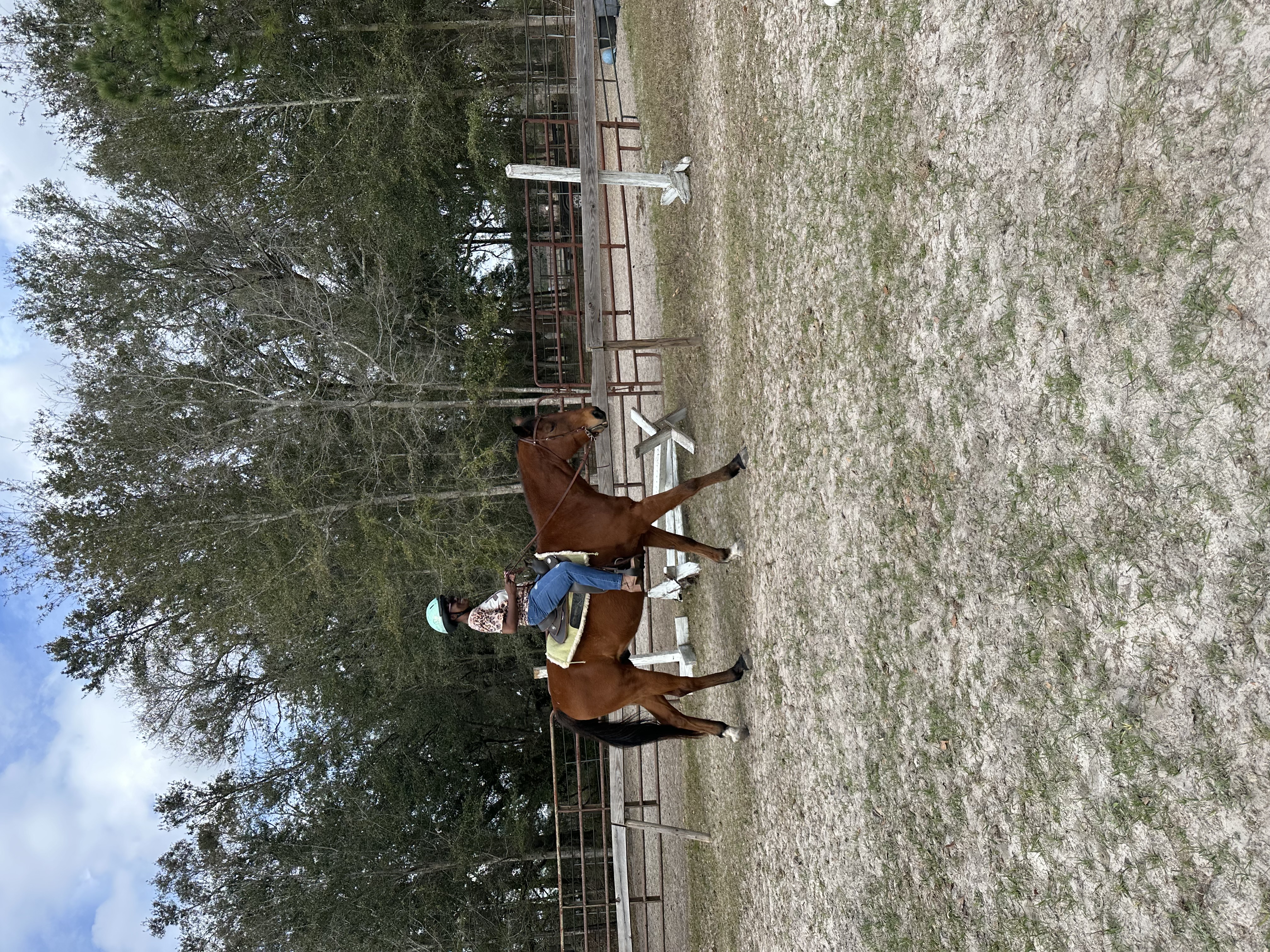
How to Ask for a Canter Depart: Tips for Beginner Riders
Quick Answer
To ask for a canter depart, sit the trot for 2–3 strides, apply your outside leg slightly behind the girth, keep your inside leg at the girth for forward energy, and look up in the direction of travel. The horse should strike off on the correct lead.
Key Takeaways
- Sit the trot for 2–3 strides before asking for the canter
- Outside leg behind the girth signals the canter depart
- Inside leg at the girth maintains forward energy
- Look up and in the direction of travel
- Balance and rhythm at the trot must be established before the canter will be clean
The Canter: Your First Major Milestone
For most beginner riders, the canter is the first major milestone — the moment when riding starts to feel genuinely exciting. The three-beat rhythm, the power, the feeling of speed — it's unlike anything that came before.
But the canter depart (the transition from trot to canter) is also one of the most commonly misunderstood skills in beginner riding. Many riders kick, lean forward, and hope for the best. Here's how to do it correctly.
At StoneCrest Stable, we introduce the canter after riders have established a balanced, rhythmic trot — typically within the first 2–3 months of weekly lessons.
The Correct Aid Sequence
Step 1: Establish rhythm at the trot. Before you ask for the canter, your trot must be balanced and rhythmic. If you're struggling to maintain your posting trot, the canter will be chaotic. Take the time to settle the trot first.
Step 2: Sit the trot. Two to three strides before asking for the canter, transition from posting to sitting trot. This helps you organize your aids and signals to the horse that a transition is coming.
Step 3: Apply the aids. - Outside leg slides slightly behind the girth — this is the primary canter aid - Inside leg remains at the girth to maintain forward energy - Inside rein asks for a slight flexion in the direction of travel - Outside rein maintains contact and prevents the horse from falling out through the shoulder
Step 4: Follow the canter. When the horse strikes off, follow the rocking motion with your hips. Don't brace against it — let your seat absorb the movement.
Common Mistakes
Kicking. A kick is not a canter aid. It creates tension and confusion. The canter aid is a sliding, squeezing leg — not a kick.
Leaning forward. Leaning forward before the canter depart unbalances the horse and makes a clean strike-off harder. Stay upright until the horse is in the canter.
Holding the breath. Tension in the rider creates tension in the horse. Breathe.
The Correct Lead
Horses can canter on either the left or right lead. On a circle or turn, you want the inside lead — the leg that reaches further forward on the inside of the turn. Your instructor will help you identify and correct the lead in your early canter work.